Communication
Radio enables direct communication between people — from local contacts in Banja Luka to operators thousands of kilometres away.
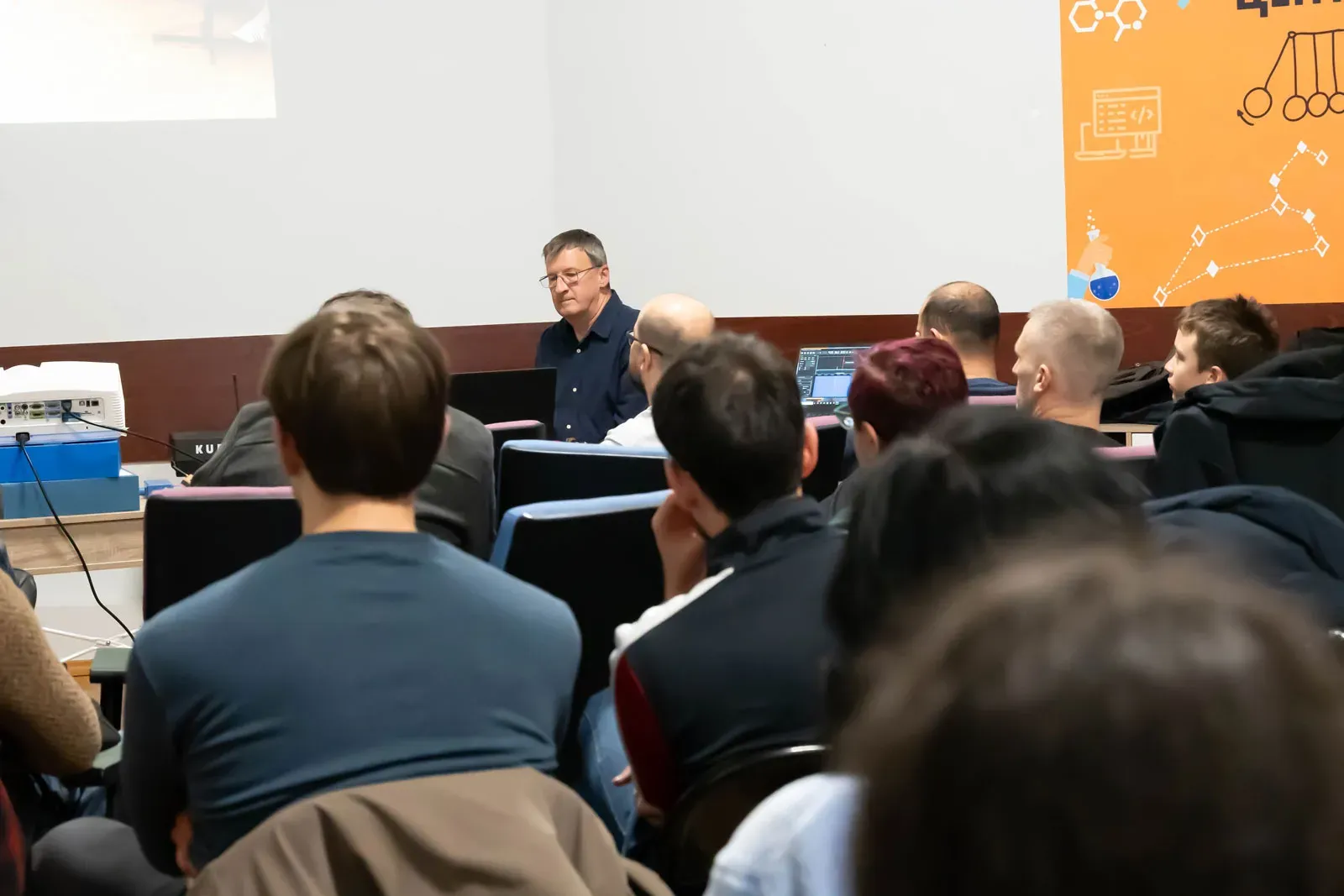
E74BYZ prepares new radio amateurs for the exam and licence issue, with a focus on technical knowledge, responsible practice, and safe use of the airwaves.
Once a year, the club organizes training for new radio amateurs — from first lessons to the exam and your own callsign.
Amateur radio
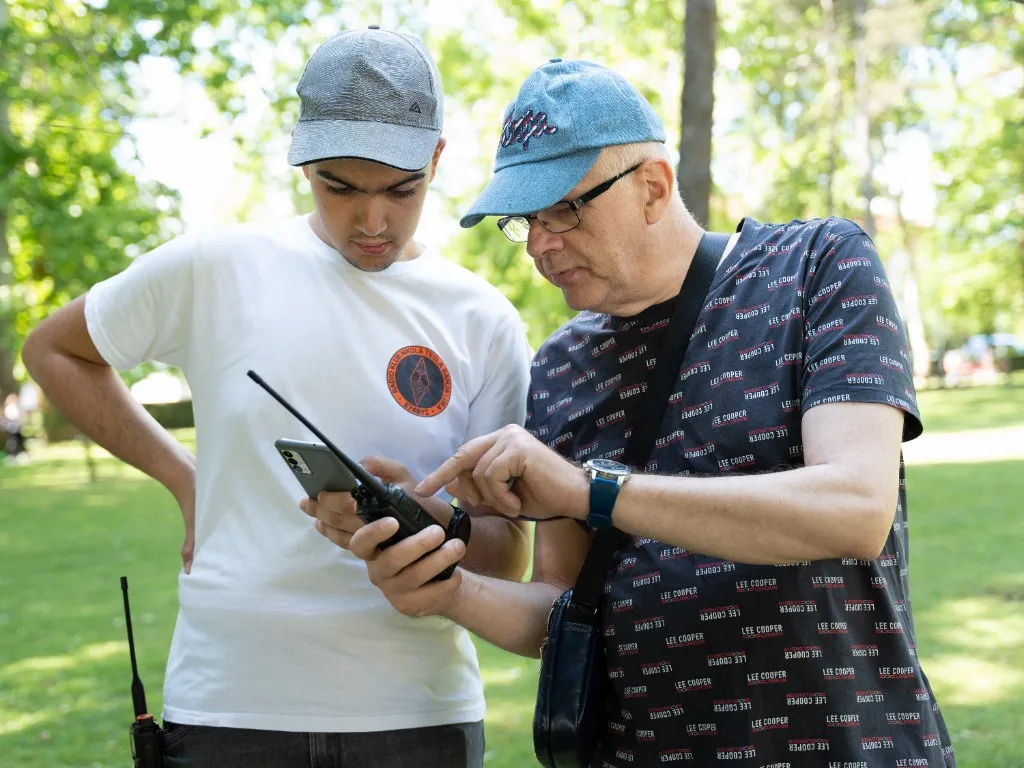
Radio amateurs are people connected by curiosity, technology and the desire to communicate. They explore how a radio signal travels, learn and build radio systems, make contacts with other operators, and pass their knowledge on.
Radio enables direct communication between people — from local contacts in Banja Luka to operators thousands of kilometres away.
Radio amateurs get to know stations, antennas, repeaters and systems that carry a signal from one operator to another.
Antennas are built and tuned, equipment is tested, and different modes of transmission and propagation are explored through practical work.
Electronics, radio engineering, propagation, networks and digital communications are only part of the knowledge amateur radio brings together.
Radio does not have to stay in the club room. A station and antenna can go to a mountain, a park, an expedition, or anywhere a contact can be made.
Behind every callsign is a person. Amateur radio connects operators, clubs and generations — locally and around the world.
A radio amateur learns to understand their equipment, find a problem, build a solution and establish communication independently.
Modern amateur radio covers analogue and digital systems, linking repeaters, digital modes and experimenting with new technologies.
From a simple cable and antenna to electronics, interfaces and a complete radio system — part of this hobby is understanding how something works and trying to make it better.
A good radio contact is more than pressing PTT. An operator learns procedures, proper communication, equipment handling and behaviour in the radio spectrum.
Experienced operators help beginners, knowledge is shared inside clubs, and new generations continue what previous ones learned.

The path begins with an application for the next E74BYZ training cycle. You tell us who you are, why you want to join, and we place you in the group that starts the season.

Club training covers regulations, radio technique, antennas and safe operating practice. Lessons combine theory with real equipment so you arrive at the exam ready to work a station, not only to answer questions.

The amateur-radio exam checks what you have learned: rules of the spectrum, technical basics and responsible behaviour on air. Passing it is the formal proof that you are ready for a licence.

Your callsign is your unique identity in the amateur-radio world. It appears in every log, every contact and every introduction — the short address by which other operators know you.

After the exam comes the administrative step: an amateur-radio licence in the category you have earned. That document turns knowledge into the right to transmit under clear rules.

Then comes the first real contact: microphone or key in hand, a call into the ether, and a reply from somewhere else. Training becomes practice — and the hobby truly begins.
Exam preparation
Handbooks and exam questions from the club, plus the knowledge base for continued learning.
Prepared by E74BYZ members — follows the exam questions.
DownloadQuestions for preparing for the amateur-radio exam and checking what you have learned.
DownloadPractical articles on radio technique, operating and digital modes — from exam basics to topics that matter after the licence.
Open knowledge baseAfter the licence
A callsign opens an entirely new world. From local contacts and digital networks to contacts on other continents, field operating, contests and your own technical projects — everyone can find their path in amateur radio.
RADIO / HF
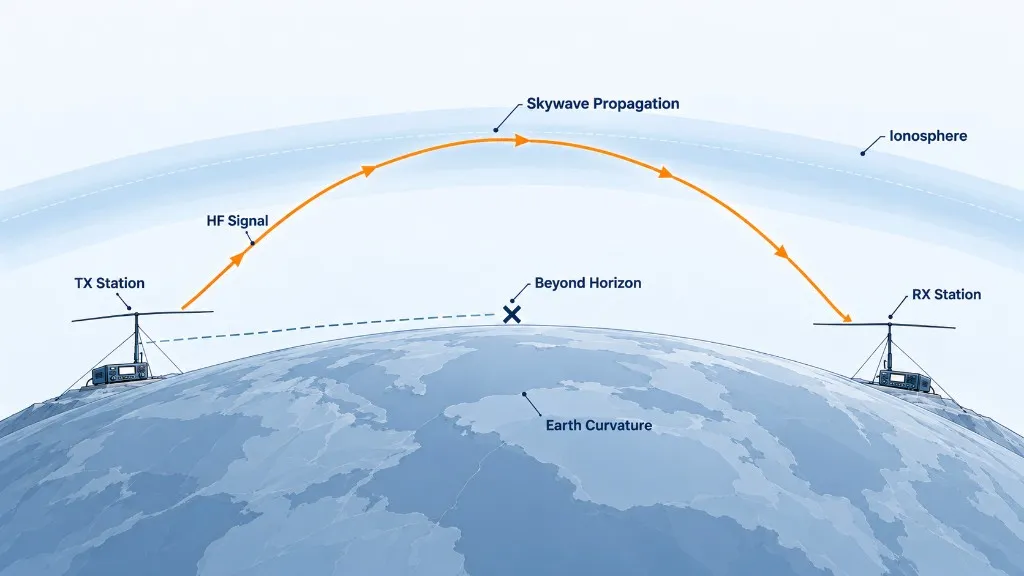
HF opens the possibility of direct radio contacts over hundreds and thousands of kilometres. With a suitable station, antenna and good propagation, a signal from Banja Luka can reach almost anywhere in the world.
 HF
RADIO / VHF · UHF
VHF and UHF are an important part of everyday amateur-radio work. They are used for direct local contacts, work through repeaters, field communication and experiments on higher frequencies.
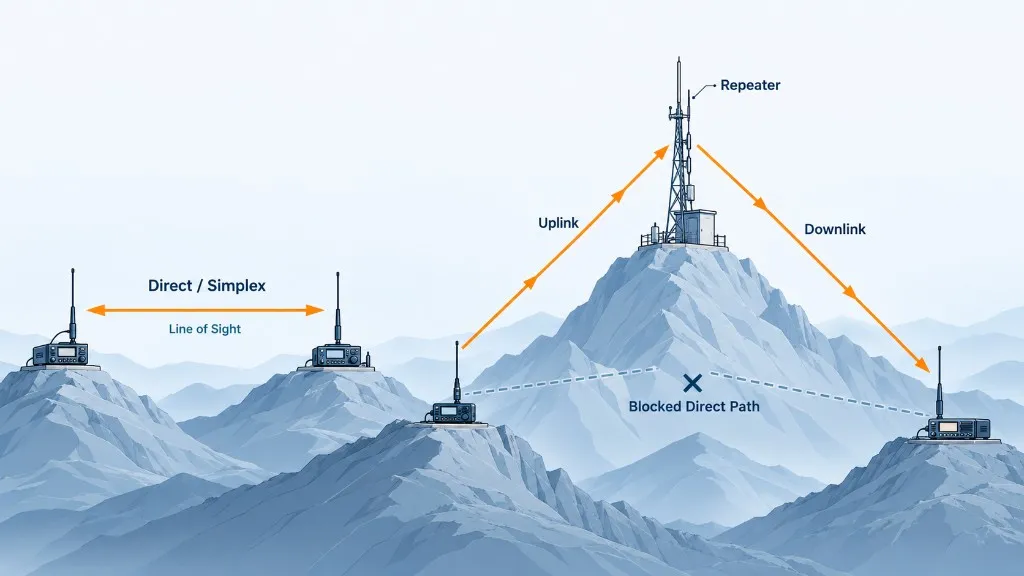 VHF / UHF
DIGITAL / DMR
DMR joins classic radio communication with digital systems. A radio talks to a repeater, and linked repeaters and networks make conversations possible with amateurs far beyond local range.
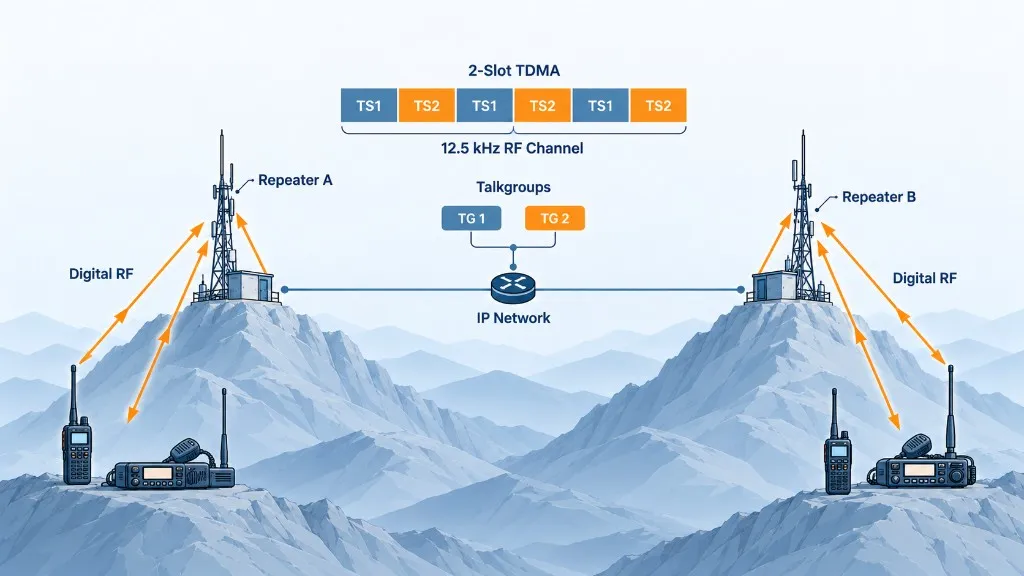 DMR
DIGITAL / APRS
APRS enables exchanging digital data over a radio link — from station position to short messages and other information amateurs can share through the network.
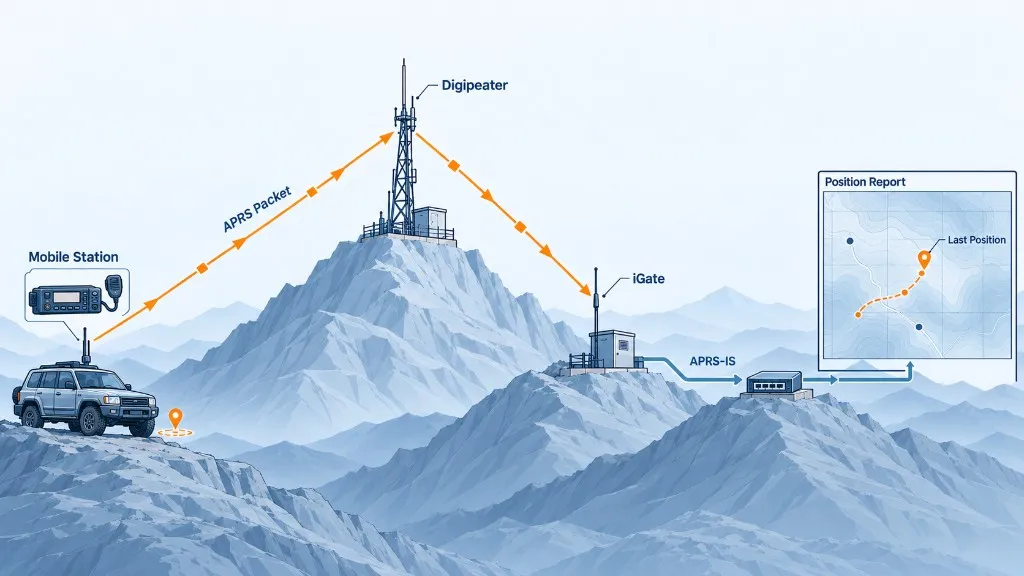 APRS
DIGITAL / MESH
Meshtastic and LoRa open space for experimenting with low-power decentralised radio networks. Nodes pass data to each other and together build a network without classic mobile infrastructure.
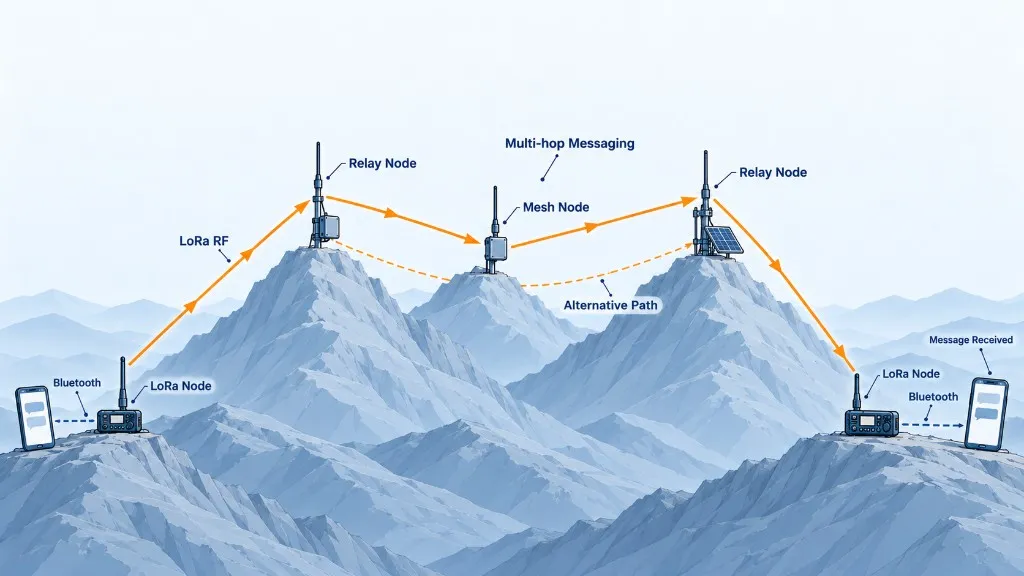 MESH
OUTDOOR / POTA
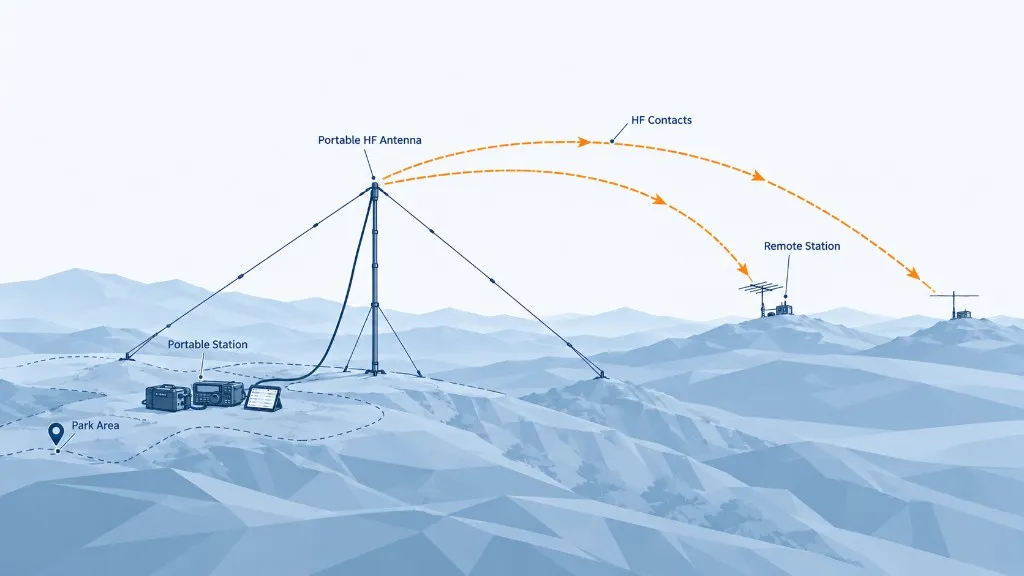
Parks on the Air joins amateur radio with time outdoors. An operator sets up a portable station and antenna in a park, activates the site and makes contacts with amateurs who try to find them on the air.
 POTA
OUTDOOR / SOTA
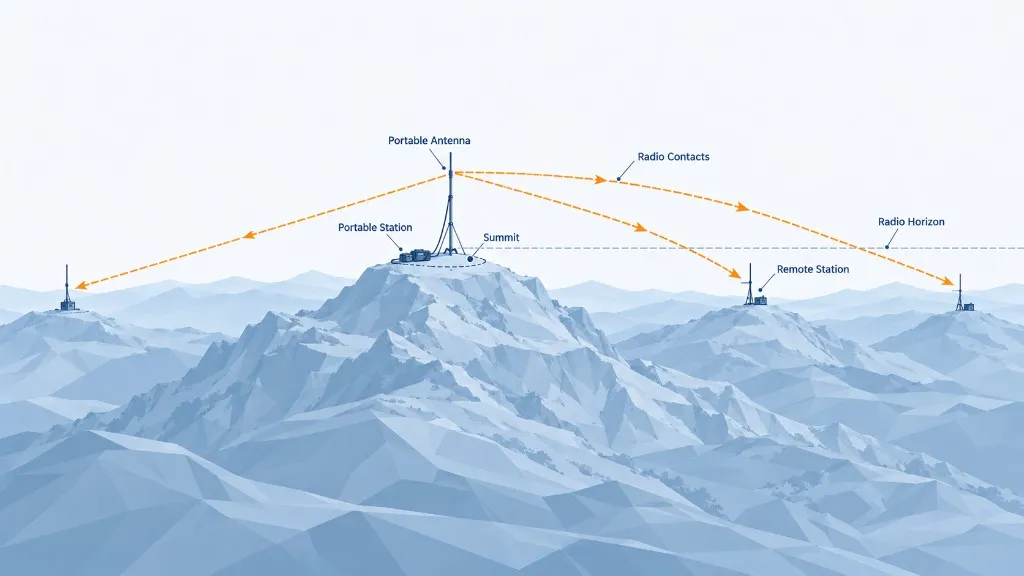
Summits on the Air takes the radio station onto the mountain. The goal is to make radio contacts from the summit using portable gear, an antenna and your own power source.
 SOTA
OUTDOOR / WWFF
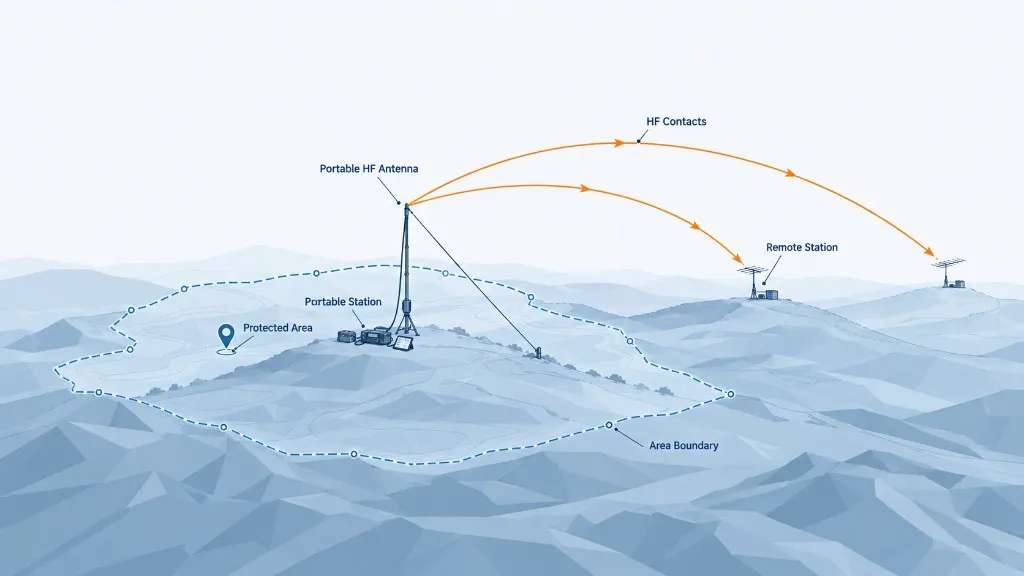
World Wide Flora & Fauna encourages amateur-radio activity from national parks, reserves and other protected areas. An activation joins radio, terrain and discovering natural places.
 WWFF
SPORT / ARG
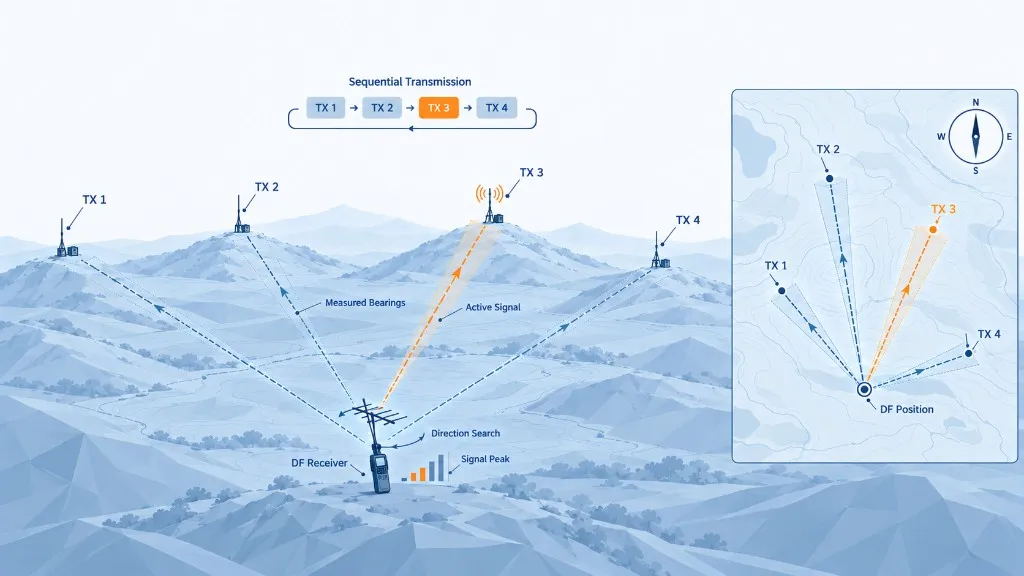
Amateur radio direction finding joins radio technique, orienteering and physical activity. With a receiver and a directional antenna, competitors try to find hidden transmitters in the shortest time.
 ARG
ON AIR / CONTEST
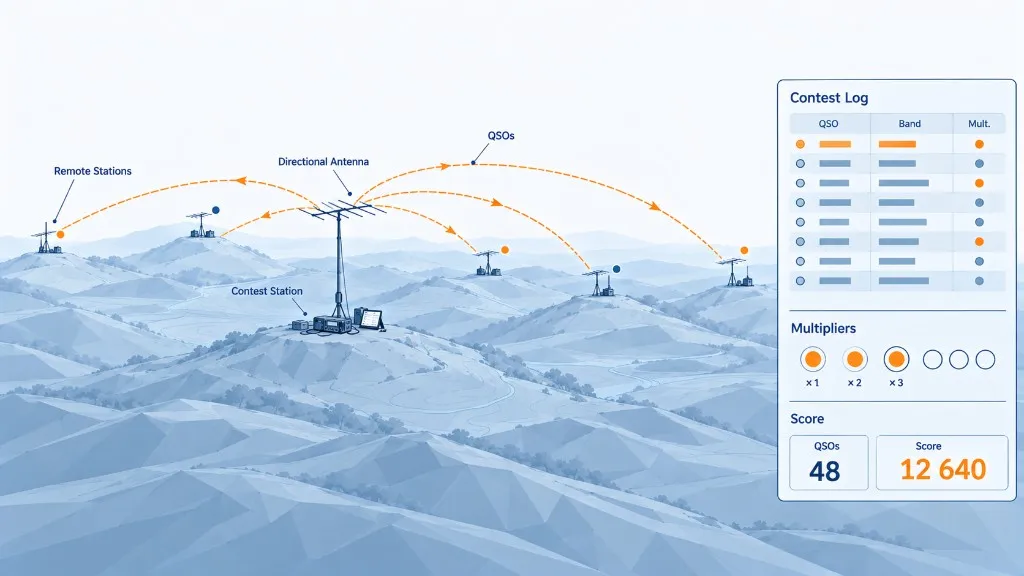
Amateur-radio contests bring a completely different operating rhythm. In limited time, operators try to make as many valid contacts as possible, find new stations and sharpen speed, technique and skill.
 CONTEST
BUILD / EXPERIMENT
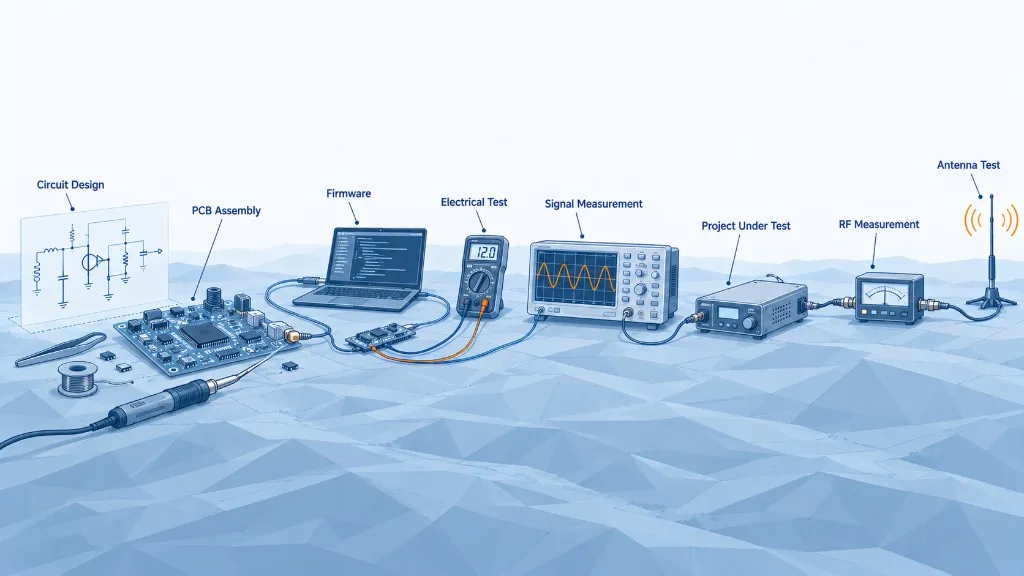
Amateur radio leaves room for your own technical projects — from antennas and electronics to repeaters, digital systems, networks and infrastructure that members can design, build and improve.
 PROJECTS
Rule 92/2020 defines three amateur-radio classes:
ENTRY (E)
NOVICE (N)
CEPT
A class is obtained by passing the matching amateur-radio qualification examination, after which the candidate may apply for an amateur callsign for the class that was passed.
E74BYZ / TRAINING
Radio Club “Nikola Tesla” Banja Luka organizes training for future radio amateurs and the amateur-radio examination.
Training is usually organized once a year; in previous years the timing has most often been early May.
The exact date of the next cycle is announced once the conditions and schedule are known.
Previous amateur-radio experience is not required.
Through the course, candidates learn the basics of radio technology, operating procedures, regulations, and practical work that prepares them for the amateur-radio exam.
NEXT TRAINING
Leave your email address and we will notify you when applications open for the next training cycle at Radio Club “Nikola Tesla” Banja Luka.